 Georgia Buzzard

Lending your car to a friend might feel like a simple favor, but accidents can quickly turn that decision into a financial concern. If your friend wrecks your vehicle, you may be wondering whether your auto insurance policy will step in to cover the damages. Understanding how coverage works in this situation can help you avoid confusion, unexpected costs, and potential rate increases.
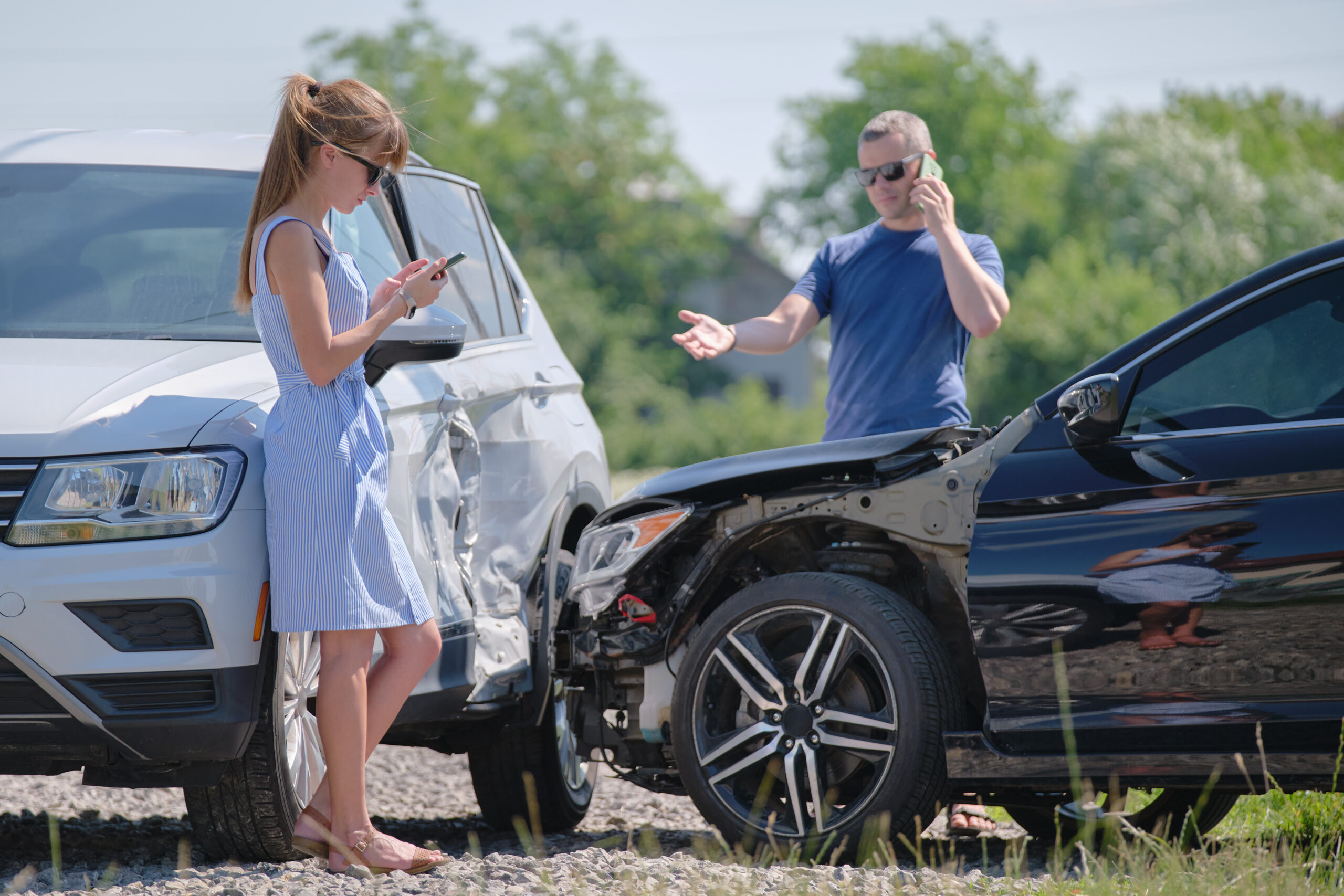
Lending your car to a friend often feels harmless. Maybe they needed it for a quick errand or an emergency. You hand over the keys without much thought until you get the call that there’s been an accident. At that moment, one question becomes urgent: Can you use your auto insurance coverage if a friend wrecks your car?
In most cases, yes. But how your policy responds—and whether it impacts you financially—depends on your coverage, the circumstances of the crash, and state insurance laws.
Does Auto Insurance Follow the Car or the Driver?
In most situations, auto insurance follows the vehicle, not the driver. This means if your friend had permission to drive your car, your policy typically acts as the primary coverage.
This concept is known as permissive use. As long as you allowed your friend to operate the vehicle, your insurance company generally extends protection under your existing policy terms.
However, that protection depends on the type of coverage you carry.
What Coverage Applies If Your Friend Is At Fault?
If your friend caused the accident, your auto insurance policy usually responds first. Here’s how different coverages typically apply:
- Liability coverage: Pays for damage to the other driver’s vehicle, property damage, and medical expenses up to your policy limits.
- Collision coverage: Pays for repairs to your own vehicle after you pay your deductible.
- Medical payments or PIP: May help cover medical expenses depending on your state.
Because the accident involves your insured vehicle, your insurer handles the claim even though you were not driving.
What If the Other Driver Caused the Accident?
If another driver was at fault, their liability insurance should cover the damages. You may choose to file a claim directly with their insurer or use your own collision coverage and allow your company to seek reimbursement through subrogation.
Important: Even in this situation, you should report the accident to your insurance company promptly. Delays can complicate the claims process.
Will Your Insurance Rates Increase?
This is where many vehicle owners feel frustrated. Even if you were not behind the wheel, a claim filed under your policy can affect your premium.
If your friend was at fault, you could experience:
- A premium increase at renewal
- Loss of claim-free or safe-driver discounts
- Policy underwriting changes
Some insurers offer accident forgiveness programs, but eligibility varies. Switching companies will not remove the accident from your claims record.
When Could Coverage Be Denied?
While permissive use provides broad protection, there are exceptions. Your insurer may deny coverage if:
- Your friend did not have permission to drive the vehicle
- The driver was specifically excluded from your policy
- The vehicle was being used for undisclosed commercial purposes
- The driver was intoxicated or involved in illegal activity
- A household member regularly drives the car but is not listed on the policy
Tip: Reviewing your declarations page and driver listings can help avoid unexpected denials.
What About the Deductible?
If collision coverage applies, you must pay your deductible before your insurance company covers the remaining repair costs. Legally, the deductible is the policyholder’s responsibility.
While you can privately ask your friend to reimburse you, your insurance contract holds you accountable for that amount.
Can You Be Held Legally Responsible?
Depending on your state laws, vehicle owners may share liability for accidents involving their car. If damages exceed your liability limits, both you and your friend could potentially be named in a lawsuit.
This is why maintaining strong liability coverage beyond state minimum requirements is often recommended. Minimum coverage may not fully protect your personal assets in serious accidents.
Final Thoughts
So, can you use your auto insurance coverage if a friend wrecks your car? Yes—if your friend had permission to drive, your policy will typically provide primary coverage.
Liability insurance can cover damage to others, while collision coverage can pay for repairs to your vehicle, subject to your deductible. However, you may face higher premiums, deductible expenses, or legal exposure depending on the severity of the accident.
Lending your vehicle is common, but it carries financial responsibility. Understanding how permissive use works and reviewing your coverage limits can help you make informed decisions before handing over your keys.
Because sometimes a small favor can turn into a major insurance claim—and being prepared makes all the difference.
All Categories